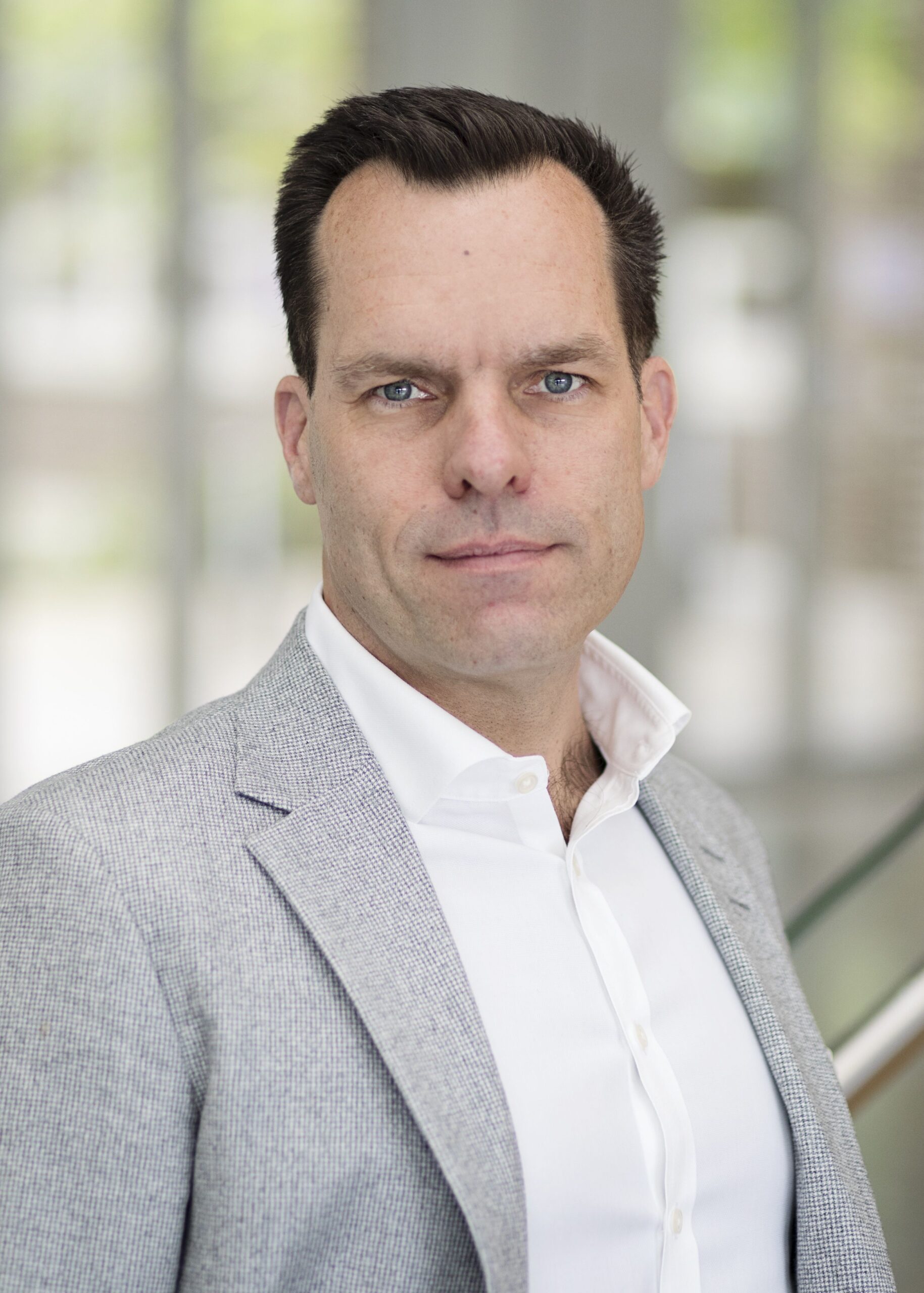

Christian Steinebach is the New Managing Director of Collectia Germany
We are delighted to announce the appointment of Christian Steinebach as the new Managing Director of our German office. With a remarkable career spanning over three decades, Christian brings a wealth of experience and a proven track record of success in various industries. His leadership and vision will be instrumental in driving our growth and innovation in the German market. Below, we highlight his professional journey, strategic plans for our German operations, and a glimpse into his personal life.
Professional Credentials
Christian Steinebach joins us with more than thirty years of increasing responsibilities in the professional services industries. His extensive experience includes a successful background in general management within an international environment. Christian’s industry expertise spans telecommunications, manufacturing, retail, financial, and professional services. He has developed pronounced intercultural competence through several years of working abroad in Europe, the Middle East, and the USA.
Most recently, Christian served as the Country Manager and Member of the Group’s Executive Team at Hoist Finance, a Swedish financial services company operating in 11 countries with a focus on debt management. In this role, he was responsible for the general management of the German business, including servicing and sales, and acted as the Managing Director for the German, Austrian, and Romanian practices. His key focus areas included improving operational performance, implementing and stabilizing new standard software, digitalizing services, and starting a nearshore service.
„My extensive international experience has taught me the value of cultural diversity and the importance of adapting strategies to local markets. This approach has been a cornerstone of my management style.“
Prior to that, Christian was the Managing Director for Germany, the Netherlands, and Eastern Europe at Sitel GmbH, a US-based company in the customer care market. He was also the Senior Vice President and a member of the global board, reporting to the Group COO and EMEA CEO. Christian successfully managed the region with 14 locations in 5 countries and 6,500 employees, achieving significant milestones such as almost doubling revenue and profitability, securing new global contracts, and transforming the corporate culture to become market-oriented and innovative.
„Driving growth and fostering innovation are not just goals but necessities in today’s competitive environment. My experience at Sitel taught me that success comes from a combination of strategic vision and operational excellence.“
Strategic Vision for the German Market
Christian Steinebach envisions a dynamic future for Collectia Germany, driven by a combination of professional service and technology-enabled leadership. Recognizing the significant potential of the German market for collection management services, Christian aims to substantially grow the business to underscore its importance within the Collectia group. His strategy focuses on three key pillars: growth, integration and harmonization, and operational excellence.
„To thrive in the German market, we need to win new business and deliver clear value to our partners. This means being a major player in our key industries and continually improving our operations.“
To achieve these goals, Christian emphasizes the need to win new business and deliver clear value to business partners, becoming a major player in key industries. He has initiated a continuous improvement program, fostering a culture that embraces change as a positive force for both the company and individuals. Under his leadership, Collectia Germany will strive to be better and more efficient, ensuring that operational excellence remains at the forefront of their endeavors.
„Change is good. By embracing new ideas and technologies, we can create a positive culture that benefits both the company and its employees.“
Personal Insights
“I am results-driven—the truth is in the numbers. But success can only be achieved by the team, which is why we need clear communication and trust in each other. I believe that if we are passionate about something and work hard, we will be successful. Hard work is only possible if you love what you are doing, so I strive to create an atmosphere where people love to come to the office in Deggendorf and Hannover.„
On a personal note, Christian is married and resides in Potsdam near Berlin. He is a proud father of three sons, two of whom are studying while the third has a family of his own with three daughters, making Christian a grandfather. In his spare time, Christian enjoys spending time in nature, gardening, and hunting. He has also formed lasting friendships in various countries during his career, which he continues to cherish and maintain.
We are excited about the future with Christian Steinebach leading our German operations and look forward to the growth and innovations he will bring to Collectia.